Iceland: Land of Fire and Ice
Iceland has 33 active volcanic systems, 269 named glaciers, and 350,000 residents — about the population of Saint Paul, Minnesota. Yet in 2026 it receives roughly 2.5 million tourists a year, almost all drawn by a landscape that looks more like another planet than Europe. Here is how to experience it without falling into the Instagram-optimized version.
When to go
Summer (June–August) — 24-hour daylight, lupine fields, accessible highlands, 12–15°C. Best for hiking, road trips, puffins, and the Ring Road. The peak, the most expensive, and the most crowded.
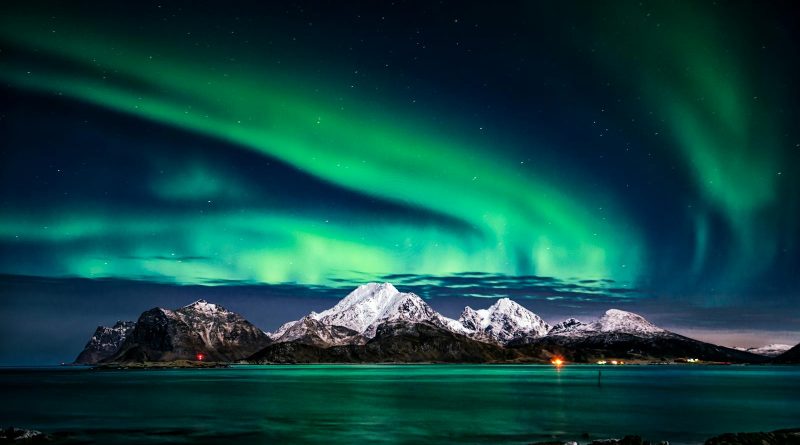
Winter (November–March) — aurora season, ice caves, empty roads, 4–8 hours of daylight. The Northern Lights are visible October–March but require clear dark skies and patience.
Shoulder (September–October and April–May) — fewer crowds, lower prices, fall colors, spring snow, and surprise northern lights in September.
The Reynisfjara and Diamond Beach look stunning in every season. The highlands are only reachable June–September.
Getting there and around
Keflavík International Airport (KEF), 50km from Reykjavík, is the only major airport. Iceland is a 6–8 hour flight from New York, 3 hours from London. The Flybus shuttle to Reykjavík is $35; taxis are $150+.
Rent a car. This is non-negotiable for most Iceland trips. A small 2WD works for the Ring Road in summer; a 4×4 is required for the highlands (F-roads). Tourist-focused rental companies like Blue Car Rental, Lagoon Car Rental, and Reykjavík Cars offer better service than the majors.
Gas is expensive ($2.30–$2.70 per liter) and stations sparse in remote areas — fill up when under half a tank.
Road conditions change by the hour in winter. Check road.is and safetravel.is daily.
Reykjavík: base yourself here
Iceland’s capital is small (130,000 residents) but charming. Base yourself in the 101 postcode (the central old town) for walkability. Hallgrímskirkja church, the Harpa Concert Hall, the old harbor, and the Sun Voyager sculpture can be seen in a day. Kex Hostel, Sand Hotel Reykjavík, and Hotel Borg are reliable stays.
For food: Matur og Drykkur (traditional Icelandic), Dill (Michelin-starred New Nordic), Fiskmarkaðurinn (seafood), Sjávargrillið (seafood with view). Bæjarins Beztu Pylsur, the famous hot dog stand, is a local institution — order “eina með öllu” (one with everything).
Iceland has no McDonald’s (since 2009) and very little fast food. Expect to spend $25+ per sit-down lunch.
The Golden Circle
The classic 300km day loop from Reykjavík covers three sights:
Þingvellir National Park — the rift valley where the North American and Eurasian tectonic plates pull apart, and where the world’s oldest parliament (930 AD) met.
Geysir geothermal area — home of the word “geyser.” Strokkur erupts every 5–10 minutes.
Gullfoss — the two-stage, 32-meter waterfall. Thunderous and dramatic, especially in winter.
Add the Secret Lagoon (in Flúðir) or the newer Sky Lagoon (in Kópavogur, near Reykjavík) as a geothermal-pool soak to end the day.
The South Coast
Our pick for the best day trip or 2-day loop from Reykjavík:
Seljalandsfoss — 60m waterfall you can walk behind.
Skógafoss — 60m waterfall with a rainbow on sunny days.
Reynisfjara Black Sand Beach — basalt columns, puffins in summer, dangerous “sneaker waves” — stay well back.
Dyrhólaey — sea arch and puffin colony.
Vík — charming coastal village, base for overnight stays.
Diamond Beach and Jökulsárlón glacier lagoon — icebergs wash up on black sand. One of the most photographed landscapes on Earth.
Vatnajökull ice caves — tours from Jökulsárlón (November–March only). Book with Glacier Guides or Local Guide of Vatnajökull.
The Ring Road
The 1,332km Highway 1 circles the entire country. Allow 8–10 days to drive it without exhausting yourself. Essential stops beyond the South Coast:
East Fjords — dramatic mountain-and-sea landscapes, reindeer, and charming fishing villages like Seyðisfjörður.
Mývatn area (north) — lava formations, geothermal mud pots at Hverir, the Mývatn Nature Baths (a cheaper, quieter Blue Lagoon alternative), and Goðafoss waterfall.
Akureyri — the “capital of the north.” Botanical garden, good restaurants, whale watching in summer.
Snæfellsnes Peninsula — “Iceland in miniature.” Volcanoes, glaciers, black beaches, and the village of Arnarstapi, all in a 90km loop.
Northern Lights
Visible from late September to early April on clear, dark nights with aurora activity. Check the Icelandic Met Office forecast (vedur.is/aurora) daily. Drive 30+ minutes outside of Reykjavík for dark skies. Dress for -5°C and expect to wait outside for 1–3 hours. Joining a guided tour is not required but helps locate good viewing spots. Tours run $75–$150 and offer a reschedule if the lights don’t appear.
The Blue Lagoon (and alternatives)
The Blue Lagoon is iconic but crowded. Book pre-arrival — many flights land in the morning and bags-to-lagoon is a tradition. The in-water mask bar and swim-up drinks are part of the experience.
Alternatives: Sky Lagoon (near Reykjavík, 7-step ritual ending in the infinity edge), Mývatn Nature Baths (north Iceland), GeoSea (seaside pool in Húsavík), Krauma (west Iceland). All cheaper and less crowded.
Practical 2026 tips
Iceland is expensive. Budget $300+/day per person for mid-range travel. Groceries at Bónus or Krónan are your friend. Drinking water is free, safe, and among the best in the world.
Credit cards are universal — you can drive the Ring Road without cash. Tipping is not expected.
Weather changes dramatically and fast. Pack merino wool base layers, waterproof shell, and sturdy boots. “There’s no bad weather, only bad clothing” is the Icelandic saying.
Do not stop on the Ring Road shoulder for photos. Use designated pullouts. Fatal accidents happen annually.
Final word
Iceland is a landscape first, a destination second. Drive slowly. Stop often. Accept that you’ll cry a little when you see a 100-meter waterfall appear around a bend. The country is small, but it contains more sublime than entire continents.