
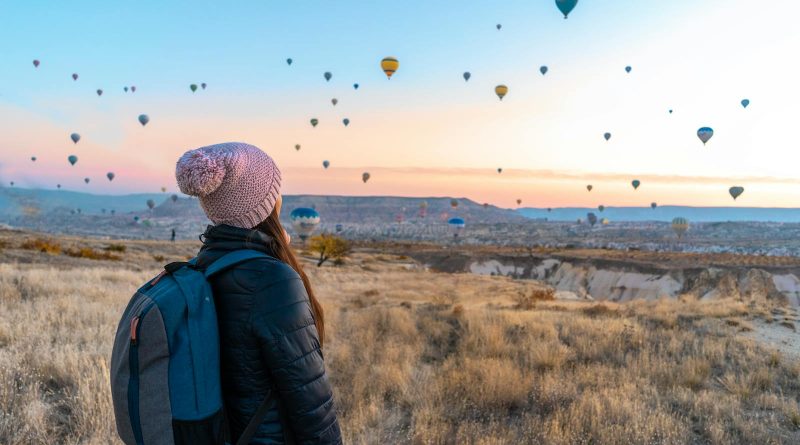
Solo Travel Safety Guide: The 2026 Edition
Solo travel has been the fastest-growing segment of the industry for a decade, and it shows no signs of slowing. Women, in particular, now account for over 60% of solo international travelers. Safety concerns are real but mostly manageable with preparation. This is our updated 2026 guide to traveling alone well.
Choosing where to go
Not all destinations are equally solo-friendly. Our top picks for first-time solo travelers, based on low crime, friendly locals, good infrastructure, and strong traveler communities:
Japan — the single safest country for solo travelers. Lost items are returned to police, violent crime is minimal, and public transport is world-class.
Portugal — warm, walkable cities, affordable, English widely spoken, excellent solo hostel scenes.
New Zealand — outdoorsy, low-crime, easy to meet other travelers.
Vietnam — cheap, crowded in a good way, established backpacker circuit.
Costa Rica — safe corridors, excellent solo-friendly hostels, nature experiences built for groups that form spontaneously.
Iceland — extraordinarily safe, easy road trips, and a small enough population that you’ll make friends at the same guesthouse.
Destinations requiring more caution for solo travelers, especially women: Egypt, Morocco (outside tourist areas), parts of India, parts of Peru (outside Cusco/Lima), and any country with recent civil unrest (check US State Department travel advisories).
Pre-trip preparation
Share your itinerary with 1–2 trusted people. Include flights, hotels, and expected arrival times.
Register with your embassy — US travelers use the STEP program (free), UK travelers use Foreign Office sign-ups, etc.
Get travel insurance — medical evacuation alone can cost $50,000+.
Make digital copies of everything — passport, visa, insurance, credit cards. Upload to encrypted cloud storage.
Know your emergency numbers — 112 is the EU emergency number; 911 is Americas standard; 119 Japan; 000 Australia. Many tourist destinations have dedicated tourist police.
Learn critical phrases in the local language — “I need help,” “Where is the hospital,” “Call the police,” etc.
Accommodation choices
For solo travelers, hostel or boutique-hotel stays beat remote Airbnbs. You want:
- A 24-hour reception desk — for security and help
- Well-lit common areas and solid locks
- Proximity to public transport but not right next to a bar strip
- Good reviews from other solo travelers (check the dedicated solo-travel reviews on Hostelworld or Booking)
Female-only dorms and female-floor hotel options have expanded. For peace of mind at night, private single rooms in a co-living environment (Selina, Outsite, Nomad Cruise) are worth the upcharge.
Arrival day protocol
Your highest-risk window is the first few hours in a new country. Follow these rules:
- Pre-book airport transportation — official taxis, registered car services, or public transport. Never use unofficial taxi touts.
- Have your hotel’s address printed in both English and the local language.
- Know what your hotel looks like (Google Street View) to confirm the driver brings you to the right place.
- Arrive during daylight hours when possible. If not, take extra care.
Daily safety practices
Keep valuables in two places — some cash and cards in your hotel safe, some on your person. Never carry your passport out except when required.
Dress to blend in — avoid obvious tourist markers (expensive jewelry, brand-name gear, large camera bags). In conservative countries, modest dress prevents unwanted attention.
Trust your gut — if a situation feels off, leave. You’re not being rude; you’re being prudent.
Check in regularly — send a WhatsApp to home base daily. Use a Life360 or similar location-sharing app if you feel it useful.
Drink moderately — most tourist-targeted crimes happen to people who’ve been drinking. A second drink at your own pace is fine; a third bought by a stranger is not.
Scams to know in 2026
These are the most-reported scams targeting solo travelers worldwide:
- Fake taxi — unofficial drivers charge 3–5x real fare. Use rideshare apps or registered taxi stands.
- Petition/clipboard scam — a group approaches you with a clipboard while pickpockets work your bag.
- Friendship bracelet — street vendors tie a bracelet on you and demand payment. Keep hands in pockets near touts.
- “Free” tour upgrade — a tout offers a “free tour” that ends in a carpet shop, gemstone seller, or similar sales trap.
- Fake police — plainclothes “officers” demand to see your passport and wallet. Real police will wait while you call your embassy to verify.
- Spiked drinks — especially at tourist bars in Southeast Asia and Latin America. Only accept drinks poured in front of you.
- Gypsy cab meeting — someone offers to share a ride, then takes you to an ATM to rob you. Refuse all unofficial rides.
Technology that actually helps
Noonlight — one-tap emergency alert on your phone that calls local emergency services with your GPS location. Works in 100+ countries.
Airalo / Ubigi eSIMs — cheap data in 200+ countries. Critical for maps and emergency calls.
Google Maps offline — download city maps before arriving. Useful when cell data fails.
Hidden Camera Detector apps — scan short-term rental rooms for unauthorized surveillance devices.
Solo but not alone
The joy of solo travel is the freedom. The loneliness can be real. Some strategies that work:
- Book one group tour in each destination — a cooking class, a walking tour, a day trip. Easy instant social time.
- Stay in social hostels (Selina, Freehand, Generator) with communal spaces.
- Use Meetup or Bumble BFF for local social events.
- Work from cafés and coworking spaces instead of your room.
- Join Facebook groups for expats or digital nomads in your destination city.
Final word
Solo travel is the most transformative way to see the world. The skills you develop — navigating foreign systems alone, making decisions under pressure, making friends across language gaps — stay with you long after the trip ends. Go. Be smart. Trust yourself. The world is more welcoming than the news suggests.