
Mountain Treks for Adventurers: The Best High-Altitude Hikes
Mountain trekking is the purest form of adventure travel — you carry what you need, walk for days, and end up somewhere no road reaches. The experience is humbling and transformative. Here are the world’s greatest multi-day treks, with honest notes on difficulty, timing, and what you actually need to know.
Everest Base Camp, Nepal
Distance: 130 km round trip / Duration: 12–14 days / Max altitude: 5,545m (Kala Patthar)
The classic Himalayan trek. You don’t climb Everest itself — you walk from Lukla (the world’s most exciting airport) through Sherpa villages, past Buddhist monasteries, up to the foot of the world’s highest mountain. The altitude makes it challenging; acclimatization days are non-negotiable. Go with a reputable trekking company — solo trekking is now prohibited without a licensed guide.
Best time: March–May (spring) or October–November (autumn). Cost: $1,500–$3,500 guided.
Torres del Paine Circuit, Chile
Distance: 136 km / Duration: 8–10 days / Max altitude: 1,200m (John Garner Pass)
Patagonian perfection: granite spires, turquoise lakes, glaciers, guanaco on the plains. The “O Circuit” (the full loop) is more demanding than the shorter “W Trek” but delivers the untouched backside of the park. Campsites require advance reservations — book as soon as they open (usually October–November for the following season).
Best time: December–March. Cost: $800–$2,500 depending on refugio vs camping.
Inca Trail to Machu Picchu, Peru
Distance: 42 km / Duration: 4 days / Max altitude: 4,215m (Dead Woman’s Pass)
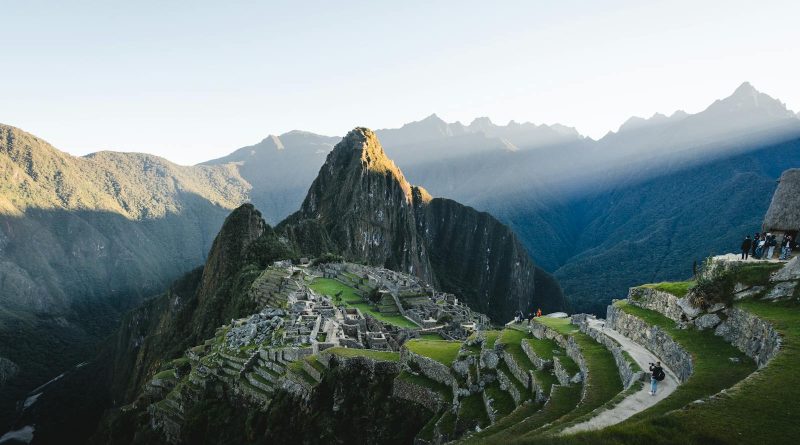
The classic, still worth the crowds. Permit system caps daily hikers at 500 (including guides and porters); book 6–9 months ahead. The approach to Machu Picchu through the Sun Gate at dawn on day 4 is one of the great moments in trekking. Alternatives if the Inca Trail is booked: the Salkantay Trek (more dramatic scenery) or the Lares Trek (more cultural).
Best time: May–September (dry season). Cost: $750–$1,500 guided.
Tour du Mont Blanc, France/Italy/Switzerland
Distance: 170 km / Duration: 10–12 days / Max altitude: 2,665m
A complete loop around Europe’s highest peak, crossing three countries. You sleep in mountain huts (refuges) with four-course dinners and shared dorms. The landscape shifts every day: French alpine meadows, Italian Val d’Aoste, Swiss glacier valleys. No guide required — well-marked trails and comprehensive hut network.
Best time: Mid-June to mid-September. Cost: €1,200–€2,500 self-guided, with hut accommodation and meals.
Haute Route, France to Switzerland
Distance: 200 km / Duration: 11–14 days / Max altitude: 3,000m+ (glacier crossings)
From Chamonix (France) to Zermatt (Switzerland), crossing the shoulders of 10 of the 12 highest peaks in the Alps. The glacier crossings require experience, or a guide. The summer walking route is achievable by confident hikers; the classic ski version in spring is a serious mountaineering objective.
Best time: July–September for walking; March–April for skiing.
Annapurna Circuit, Nepal
Distance: 130–230 km / Duration: 12–20 days / Max altitude: 5,416m (Thorung La Pass)
More varied than Everest Base Camp. The circuit crosses diverse ecosystems — rhododendron forests, rice terraces, high desert on the Tibetan Plateau — with apple orchards, hot springs, and monasteries along the way. Road construction has shortened the classic route; many trekkers now add the Annapurna Sanctuary detour. Guides are required as of 2023.
Best time: October–November or March–April.
Kilimanjaro, Tanzania
Distance: Varies (35–90 km) / Duration: 6–9 days / Max altitude: 5,895m (summit)
Africa’s highest peak is accessible to fit non-technical hikers, which makes it both democratic and dangerous. Altitude sickness is the primary cause of summit failure. Choose the Lemosho, Machame, or Northern Circuit routes (7–9 days) for better acclimatization than the 5-day Marangu. Summit night starts at midnight; sunrise at the crater rim is unforgettable.
Best time: January–March or June–October.
Laugavegur Trail, Iceland
Distance: 55 km / Duration: 4 days / Max altitude: 1,100m
A psychedelic landscape of rhyolite mountains, lava fields, black sand deserts, and glacier-fed rivers. You can extend it with the Fimmvörðuháls crossing over the Eyjafjallajökull volcano to Skógar (2 extra days). Hut reservations are essential and open 6 months in advance.
Best time: Mid-June to mid-September.
John Muir Trail, California
Distance: 340 km / Duration: 18–25 days / Max altitude: 4,418m (Mt. Whitney)
The Sierra Nevada’s greatest hike, from Yosemite Valley to the summit of Mt. Whitney (the highest point in the contiguous United States). Permits are harder to win than an Inca Trail slot — lottery system in February for most starting points. Self-sufficient backpacking; resupply via pack-in at Muir Trail Ranch or Red’s Meadow.
Best time: July–September.
Overland Track, Australia
Distance: 65 km / Duration: 6 days / Max altitude: 1,617m
Tasmania’s World Heritage traverse from Cradle Mountain to Lake St. Clair. Daily entry quotas limit crowding. The landscape moves through alpine plateaus, eucalyptus forests, and button-grass plains. Hut accommodations are basic but reliable; guided tours with Cradle Mountain Huts offer luxury.
Best time: November–April.
Huemul Circuit, Argentina
Distance: 60 km / Duration: 4 days / Max altitude: 1,730m
Patagonia’s most technical and least-crowded major trek. Two river crossings via zipline, a glacier descent, remote camping with views of Mount Fitz Roy. Requires previous multi-day trekking experience; two separate permits needed from park authorities.
Best time: November–March.
W Trek (shorter Torres del Paine)
Distance: 80 km / Duration: 5 days
If you don’t have time for the full Torres del Paine Circuit, the “W” hits the three most iconic viewpoints: Grey Glacier, French Valley, and the Towers. Perfect entry-level multi-day trek for Patagonia.
What you need to know before going
Altitude: above 3,000m, effects are real. Acclimatize slowly, drink 3–4 liters of water daily, watch for headaches and shortness of breath that doesn’t improve. Diamox (acetazolamide) can help; get a prescription from a travel doctor.
Gear: invest in real boots (broken in before the trek), a waterproof shell, merino wool base layers. Rent the technical stuff you’ll use once (ice axe, crampons, trekking poles).
Fitness: most of these treks require 4–6 months of training. Long day hikes with weight, stair climbing, and cardio three times weekly is the minimum.
Weather: mountain weather kills more hikers than falls do. Check forecasts daily; pack for 10°C colder than expected; know when to turn back.
Insurance: specific mountaineering rescue insurance (Global Rescue, IMG, World Nomads with altitude add-on) is critical. Helicopter evacuations cost $15,000–$40,000.
Final word
No travel experience compares to arriving at a summit or pass after days of effort. These aren’t vacations — they are accomplishments. Prepare properly. Respect the mountains. Go.