Dubai: Desert Luxury Redefined
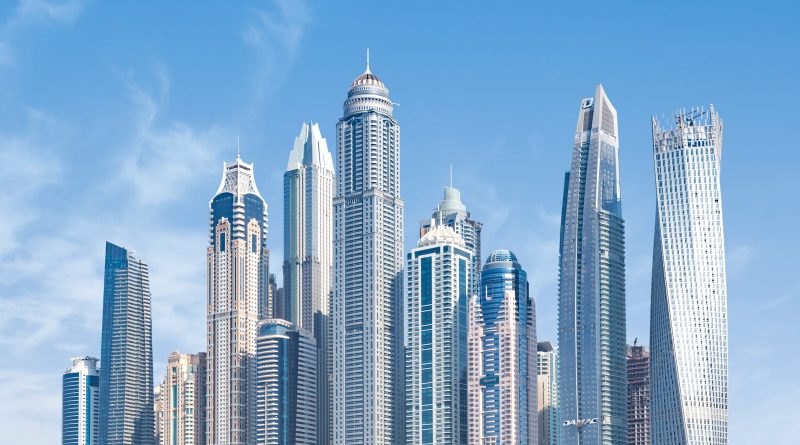
Dubai did not exist as we know it 50 years ago. The Burj Khalifa — the world’s tallest building — opened in 2010 on land that was desert in 1995. The Palm Jumeirah was invented by dredging 100 million cubic meters of sand. The Museum of the Future looks like something from Blade Runner. No other city has grown so fast, so deliberately, and so ambitiously. In 2026, Dubai is still pushing the envelope — and learning, belatedly, about sustainability.
When to go
November to March is the sweet spot: 22–28°C, clear skies, perfect beach weather. April–May and October are warm but bearable. June–September is brutal — 45°C+ during the day, and outdoor activities shut down. The exception: summer hotel rates drop by 50%+ and shopping malls are the social center of the city.
Where to stay
Downtown Dubai — at the foot of the Burj Khalifa. Walk to Dubai Mall, the fountains, the Opera. Best base for first-timers.
Jumeirah Beach Residence (JBR) / Dubai Marina — beachfront, high-rise, family-friendly. The beach is artificial but stunning.
Palm Jumeirah — for luxury resort holidays. Atlantis The Palm, Atlantis The Royal, One&Only Royal Mirage. Self-contained.
Al Seef / Al Fahidi (Old Dubai) — historic neighborhoods with restored wind-tower architecture. More soul, less flash.
Dubai Creek / Deira — old-school Dubai. Souks, abras (traditional water taxis), affordable hotels. Where the city actually started.
The must-dos
Burj Khalifa observation deck — 124th, 125th, or 148th floor (Sky Lounge). Book sunset slots weeks ahead. The view is incomparable.
Dubai Fountain — free, spectacular. Every 30 minutes from 6pm onward. Watch from the dancing waters side or book a table at a lakefront restaurant.
Museum of the Future — the most architecturally stunning building to open this decade. Book tickets 2–4 weeks ahead.
Dubai Mall — not just a mall. There’s an aquarium, an ice rink, an indoor waterfall, and VR experiences. Plan 4 hours minimum.
Desert safari — dune bashing by 4×4, camel rides, falconry, Bedouin dinner. Go with Platinum Heritage for the sustainability-focused experience.
Old Dubai walking tour — start at the Al Fahidi Historical Neighborhood, take an abra across the creek (1 dirham / $0.27), explore the Gold and Spice Souks in Deira.
Palm Jumeirah — walk, bike, or take the monorail along the trunk of the palm. Atlantis Aquaventure is the best waterpark in the Middle East.
Jumeirah Mosque — one of the few in Dubai open to non-Muslims, with daily guided visits. Respectful dress required.
Eating in Dubai
Dubai has become a world food capital. Three styles of dining to hit:
High-end — branches of the world’s most famous restaurants: Nobu, Pierchic (for seafood overlooking the Burj Al Arab), CE LA VI, La Petite Maison. Expect $150–$300 per person.
Local/Emirati — surprisingly hard to find in this multicultural city. Try Al Fanar for classical Emirati cuisine in a recreated 1960s Dubai setting. Arabian Tea House in Al Fahidi serves excellent karak chai and traditional breakfasts.
Cheap and fantastic — Pakistani, Indian, Lebanese, Filipino, and Iranian restaurants dominate the mid-market. Ravi Restaurant (Karachi Pakistani) is legendary. Bu Qtair for grilled fish. Al Ustad Special Kabab for 40-year-old Iranian grill traditions.
Friday brunch is a Dubai institution — all-you-can-eat, unlimited drinks, often with live music. Bubbalicious at the Westin and Palace Downtown are top picks.
Shopping
Malls aren’t optional in Dubai — they’re the air-conditioned public spaces. Besides Dubai Mall, try:
Mall of the Emirates — home to Ski Dubai, the indoor ski slope.
Dubai Outlet Mall — for discount luxury.
Global Village (October–April only) — 90 country pavilions, street food, carnival rides. A unique snapshot of the world.
Gold Souk — haggle for gold jewelry sold by weight in old Deira. Authenticated purity, legitimate deals.
Spice Souk — saffron, frankincense, cardamom, and dried lemons. Nearby.
Beaches and the sea
Public beaches like Kite Beach and JBR Beach are free and well-maintained. For a classic resort day, La Mer has a beach club and beachside restaurants. For privacy, book a pool day pass at a 5-star hotel ($50–$150, often with food/drink credit).
Water sports are everywhere: jet skis, parasailing, flyboarding, dolphin tours. For snorkeling or diving, head to nearby Fujairah (90 minutes by car).
Getting around
The Dubai Metro is cheap, clean, and air-conditioned. Two lines (Red and Green) cover most tourist areas. A Nol card (the transit card) costs 6 dirhams and loads any amount. Careem (the local Uber, part of Uber) is the default for longer trips — much cheaper than taxis, which are metered and plentiful.
Renting a car is easy and roads are excellent, but parking at malls and hotels can be expensive. Traffic in peak hours is brutal.
Practical 2026 tips
Dubai is a federal emirate of the UAE. Respect local laws: no public drinking (alcohol only at licensed hotels and bars), no PDA, modest dress in malls and public spaces. Ramadan (typically March in 2026) means no eating or drinking in public during daylight for non-Muslims too — respect the tradition.
Tap water is safe to drink but most prefer bottled. Tipping is appreciated: 10–15% at restaurants is standard.
Dubai Hills Mall, the Expo City site, and the Dubai Loop underground transit system are major 2026 developments. Check the latest openings before your trip.
Dubai in December means the Dubai Shopping Festival — discounts up to 90% at major retailers. January brings the Dubai Marathon. Art Dubai and the Dubai World Cup (horse racing) peak the March social calendar.
Final word
Dubai is a city of superlatives, but the best version of it exists in the contrasts: a billionaire’s yacht in the Marina, a laborer’s meal at Ravi, a Bedouin guide telling camel stories in the desert at sunset. Seek those contrasts out — the Instagram version is only half the story.