Tokyo: Where Tradition Meets Tomorrow
Tokyo is not one city — it is dozens of them, stacked vertically and splayed across 23 wards, each with its own rhythm. You can spend a week in Shibuya and never run out of restaurants; you can spend a day in a single Asakusa alley and never see the same tourist twice. This is how to approach Tokyo in 2026 without drowning in it.
When to go
Cherry blossom season (late March to early April) is magical and crowded. Autumn (November) brings fiery maples to Rikugi-en and Meiji-Jingu Gaien avenue. Summer is hot and humid but full of festivals and fireworks. Winter is crisp, clear, dry, and cheap — with Mt. Fuji visible from Tokyo skyscrapers on most mornings.
Arriving and getting around
Narita and Haneda airports are both well connected. Haneda is closer (30 minutes to central Tokyo) and now the preferred option since the 2024 expansion. The Suica IC card, loaded onto your phone via Apple Wallet or Google Wallet, is the fastest way to ride trains, buses, and pay at convenience stores. The JR Pass, once a no-brainer, is harder to justify after 2023 price hikes — calculate your routes before buying.
Tokyo has the best public transit on earth. Thirteen subway lines, dozens of JR and private rail lines, all clean, punctual to the second, and covered in English signage. Taxis are reliable but expensive; rideshare is limited.
Neighborhoods to base yourself
Shinjuku: central, connected, chaotic. Great for first-timers. The Park Hyatt (Lost in Translation) and countless business hotels make it a reliable base.
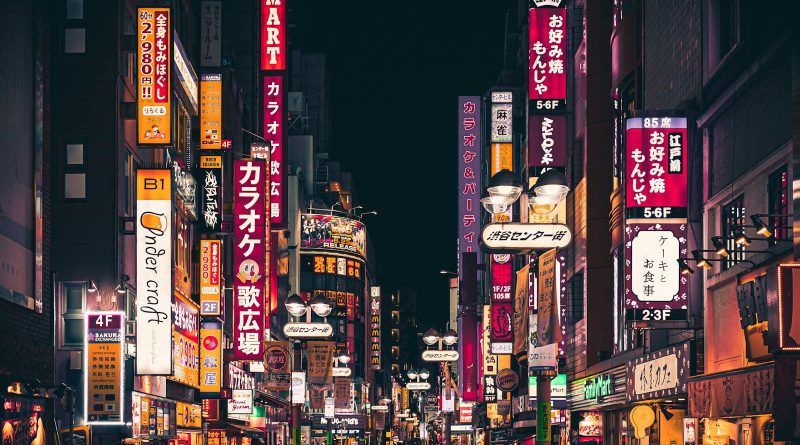
Shibuya: younger, louder, more fashion-forward. Stay here if you want to feel the pulse of the city.
Ginza: upscale, elegant, quieter at night. Best for repeat visitors who want luxury without the tourist crush.
Asakusa: old Tokyo. Traditional ryokan stays, river views, Senso-ji at dawn. Trade convenience for atmosphere.
Shimokitazawa: vintage shops, indie music, and cafés. The Brooklyn of Tokyo, without the attitude.
The must-sees (done right)
Senso-ji: Tokyo’s oldest temple. Go at 6am to have it nearly to yourself, or at 8pm when it’s illuminated and the crowds are gone.
Meiji-Jingu: a Shinto shrine hidden inside a 170-acre forest in central Tokyo. The torii gates and gravel paths feel a thousand miles from Shibuya, even though it’s a ten-minute walk away.
TeamLab Planets: the immersive digital art experience has permanent exhibits at Toyosu. Book weeks ahead.
Tsukiji Outer Market: the inner fish market moved to Toyosu in 2018, but the outer market remains — a food-tour paradise. Try tamagoyaki, uni, and tuna sashimi for breakfast.
Shibuya Crossing: watch from the Shibuya Scramble Square SHIBUYA SKY observation deck or the Starbucks Tsutaya window for the classic view.
Shinjuku Gyoen: the most beautiful city park in Japan. Cherry blossoms, French formal gardens, and a traditional Japanese garden, all in one place.
How to eat in Tokyo
Tokyo has more Michelin stars than any other city — 193 at last count. But the best meals are often under $15. Conveyor-belt sushi at Uobei in Shibuya, tonkatsu at Maisen in Aoyama, ramen at Ichiran or the more authentic Afuri, yakitori under the tracks in Ebisu Yokocho. Vending machine ticket systems mean you can eat well without speaking a word of Japanese.
Reservations at mid-tier sushi and kaiseki restaurants are essential. Use Omakase, Pocket Concierge, or ask your hotel concierge. For high-end sushi like Sukiyabashi Jiro or Sushi Saito, you’ll need an introduction — don’t expect to walk in.
Convenience stores (konbini) are a religion here. 7-Eleven, Lawson, and Family Mart serve egg sandwiches that Anthony Bourdain famously ranked among the best things he’d ever eaten. Don’t skip them.
Day trips
Kamakura — 1 hour by train. The Great Buddha, Zen temples, and a beach town atmosphere. Half a day minimum.
Hakone — 1.5 hours. Onsen hot springs, Mt. Fuji views from Lake Ashi, and traditional ryokan. Stay overnight if possible.
Nikko — 2 hours. UNESCO shrines and waterfalls in the mountains. Go for the autumn colors.
Mt. Fuji — since 2024, the Fuji-Q area and 5th Station have introduced a $13 entry fee and timed permits for climbers. Day trips to the Kawaguchiko lake region are still free and stunning.
Practical Tokyo in 2026
Cash is still king at older restaurants and shrines, though contactless payment has exploded. Carry ¥10,000 in cash as backup. Free Wi-Fi is increasingly reliable in stations and cafés; pocket Wi-Fi rentals or eSIM from Airalo or Ubigi cost $10–$20 for a week of data.
Tokyo is famously safe — violent crime is nearly nonexistent. But pickpocketing at Shibuya Crossing and scams in Kabukicho (the red-light district) do happen. Avoid anyone inviting you to a bar on the street.
Tattoos are still a barrier at many onsen (hot springs). Check individual rules, or seek out tattoo-friendly spots like Thermae-Yu in Shinjuku.
Final word
Tokyo rewards curiosity. Pick a train line, ride it to an unknown stop, and walk. Some of our best meals in the city have come from following the smell of grilling fish down an unmarked alley. The city is endlessly generous to those who wander.